
Day 1, Thursday, November 13
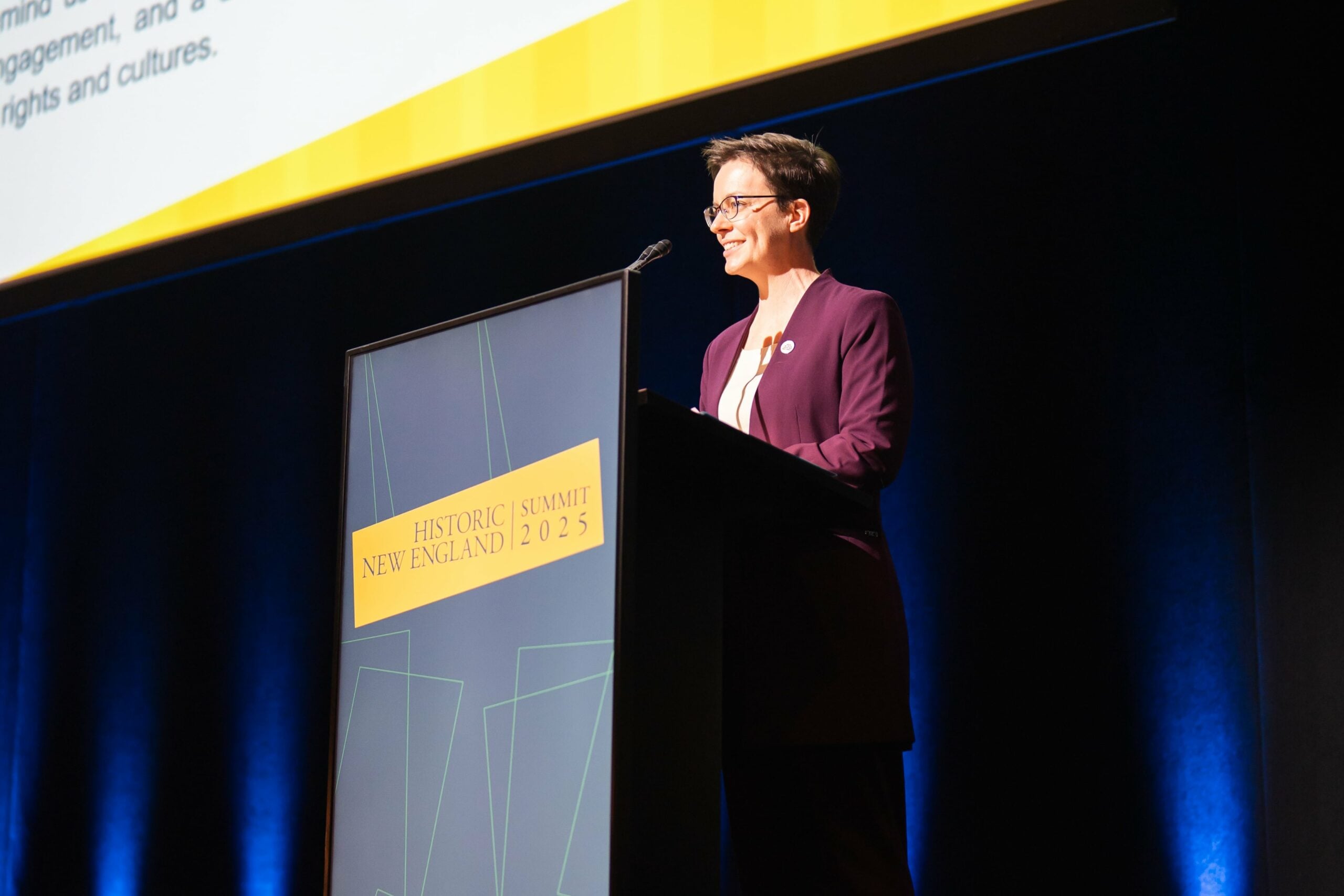
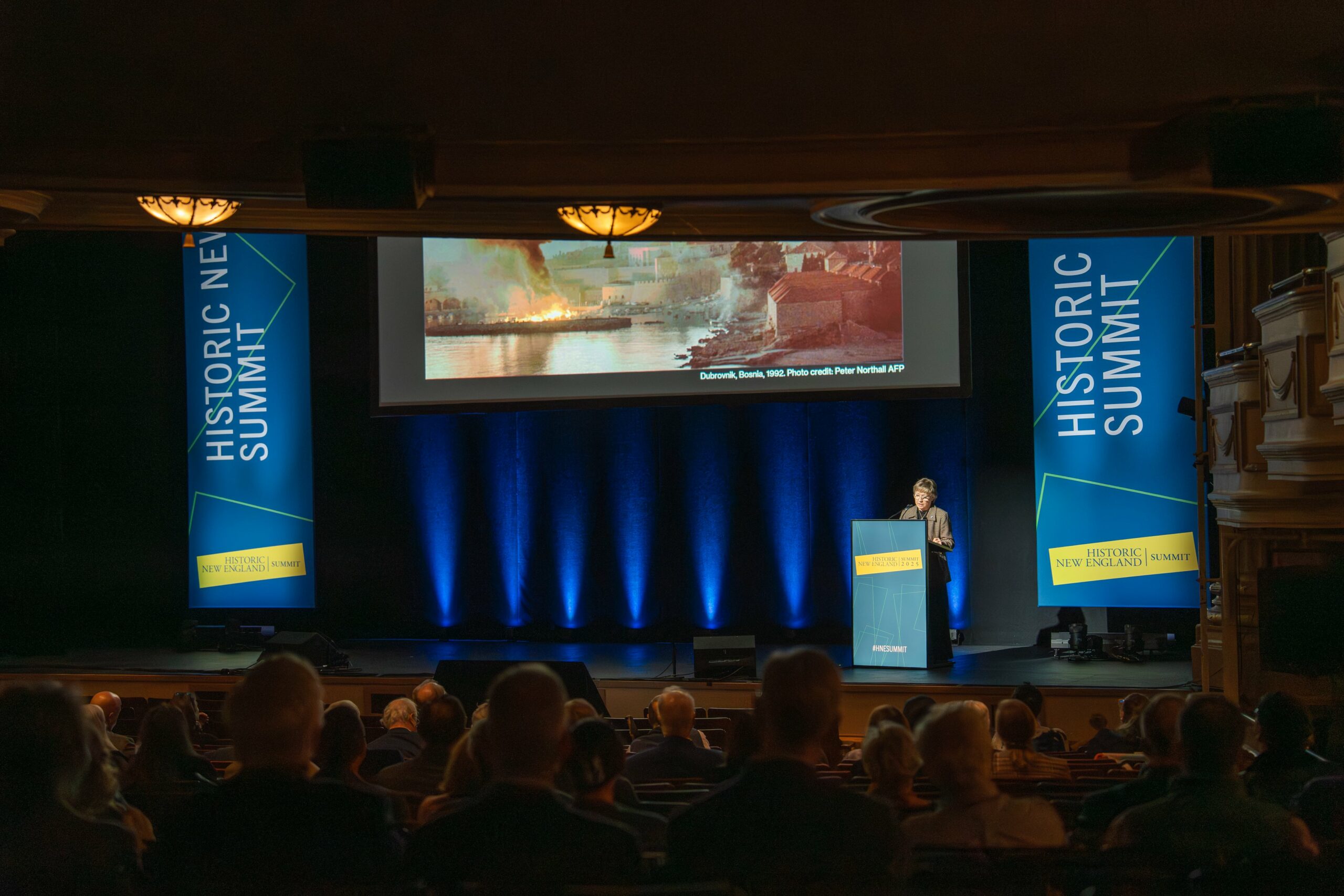
Opening Keynote: Saving Our History: Disaster Preparedness in Turbulent Times
From natural disasters to international conflicts, the threats facing cultural heritage are intensifying. Drawing on decades of experience responding to crises around the world, Corine Wegener will share strategies for protecting irreplaceable artifacts of human experience in unprecedented times.
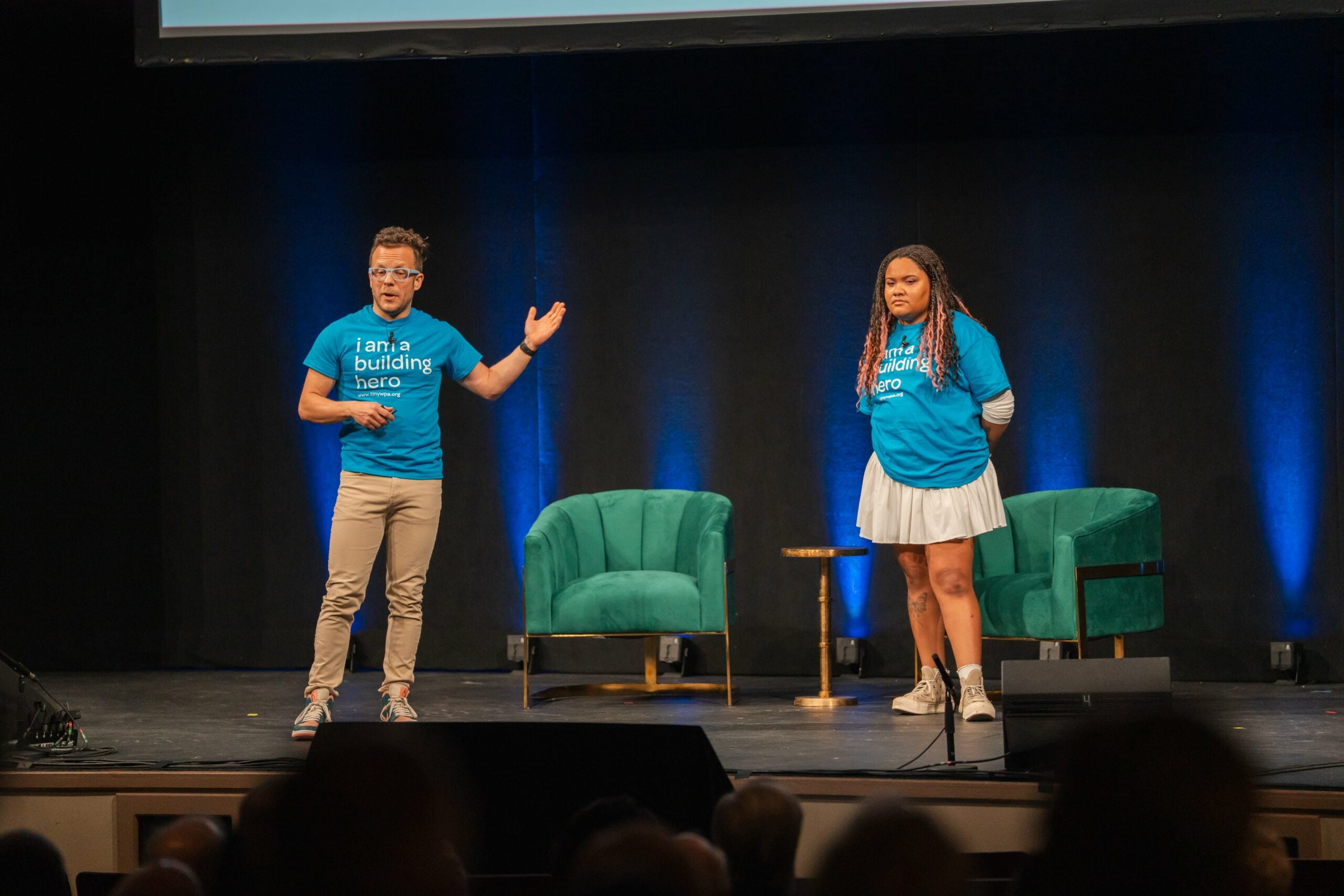
The Future is Now: Involving Young Voices in Planning and Preservation
How can collaborative projects in cultural heritage and urban development benefit youth education, while bringing in essential perspectives of younger generations?
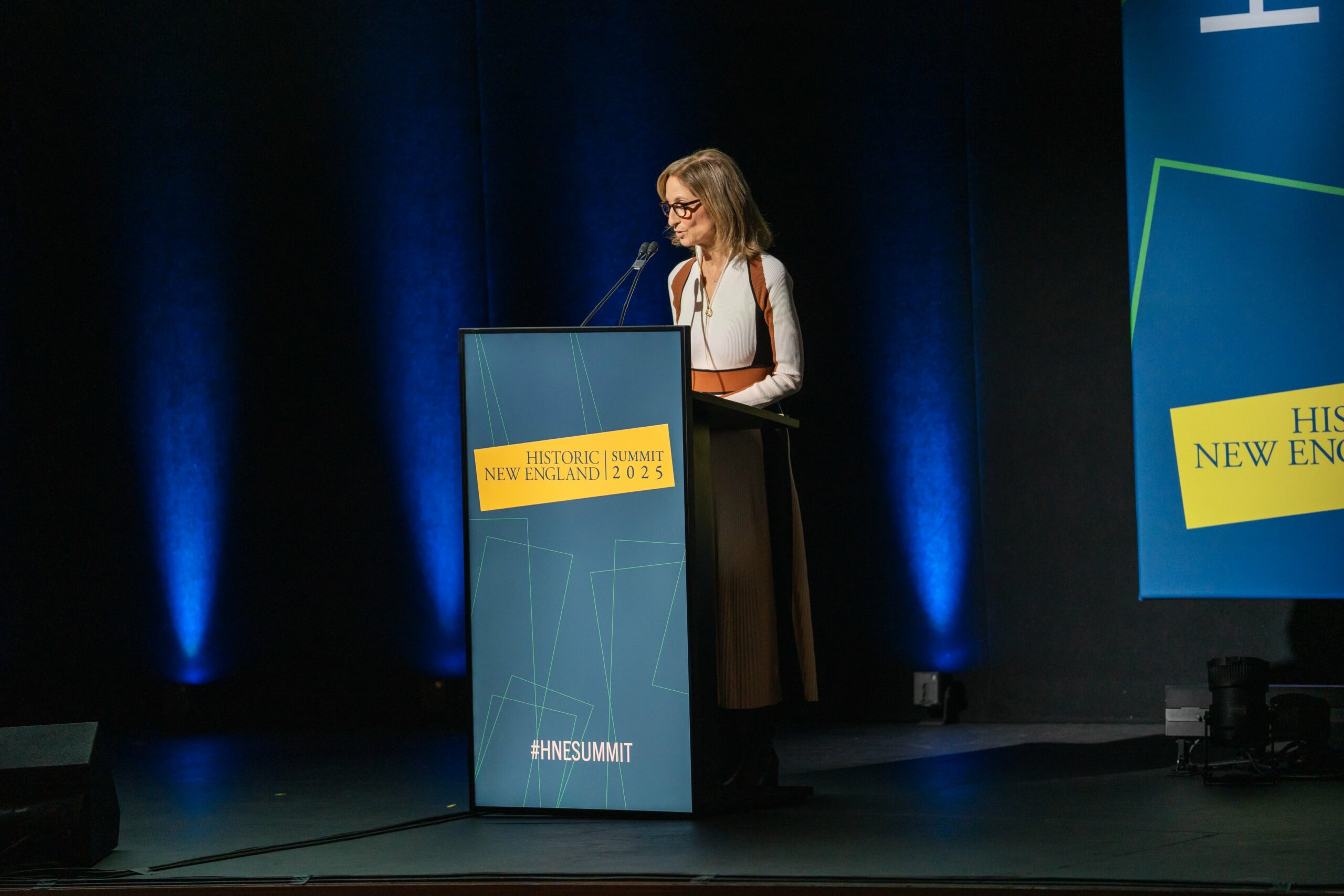
Culture Building
How can we develop creative environments that foster connection, engagement, and learning, and how can these environments in turn support healthy, vibrant communities?

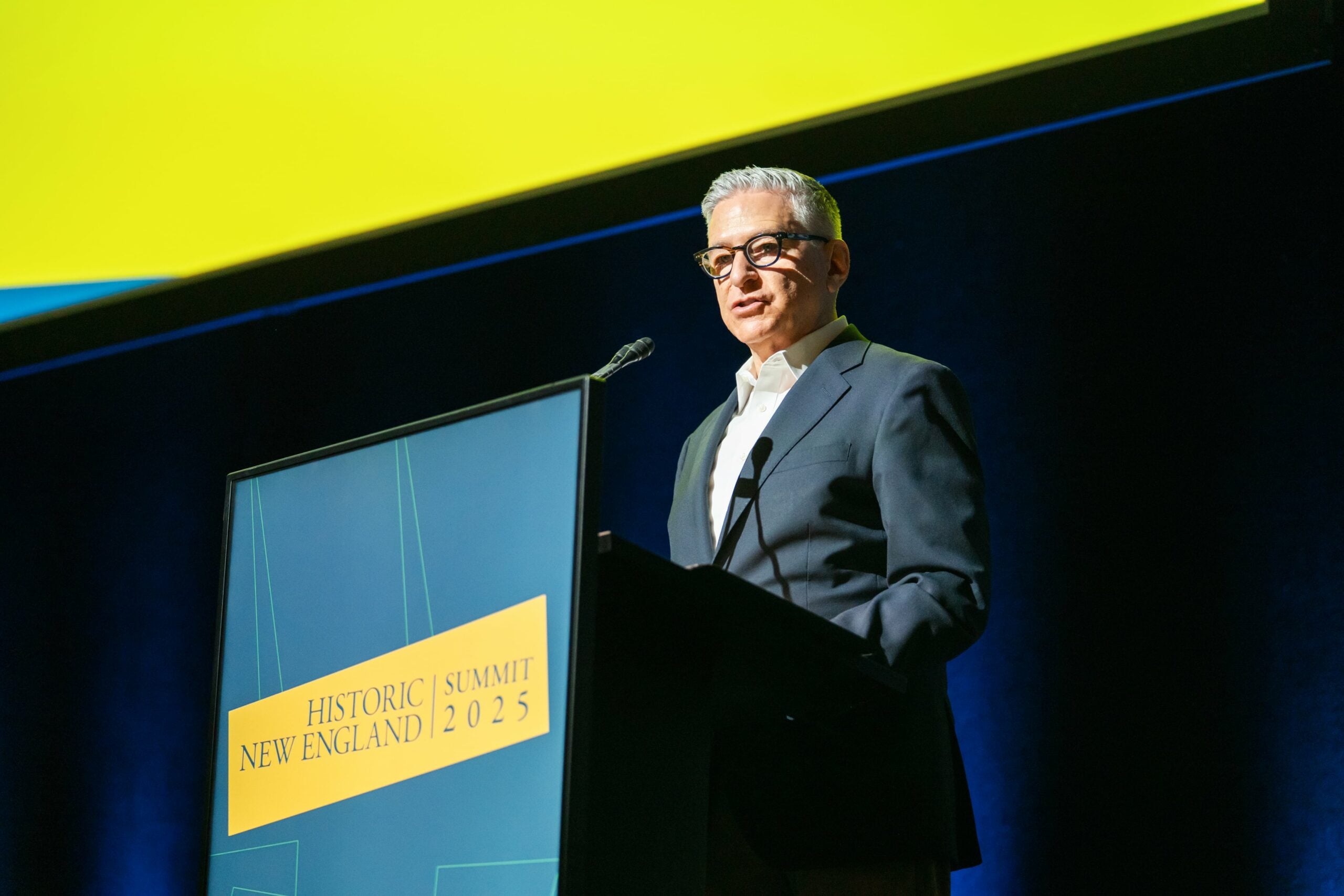
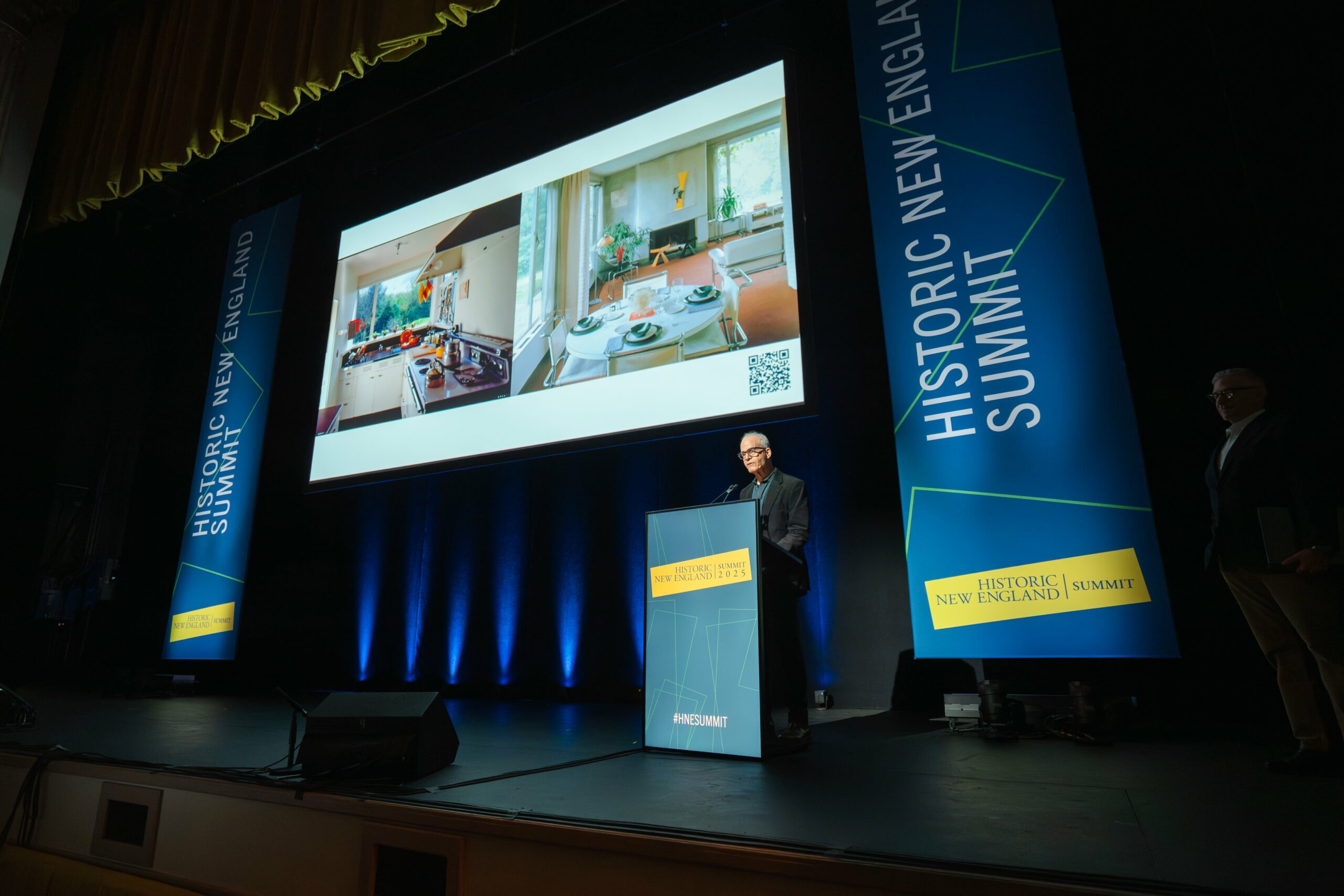
A Bauhaus Bathroom
In a special Summit presentation on November 13, Historic New England announced an international design competition to reimagine the arrival experience at Gropius House, the Lincoln, Massachusetts home of modernist pioneer Walter Gropius. Coinciding with the 100th anniversary of the founding of the Bauhaus Dessau, the competition invites innovative proposals for a permanent public restroom and redesigned visitor center that honor Gropius’s enduring legacy and addresses this long-standing problem.
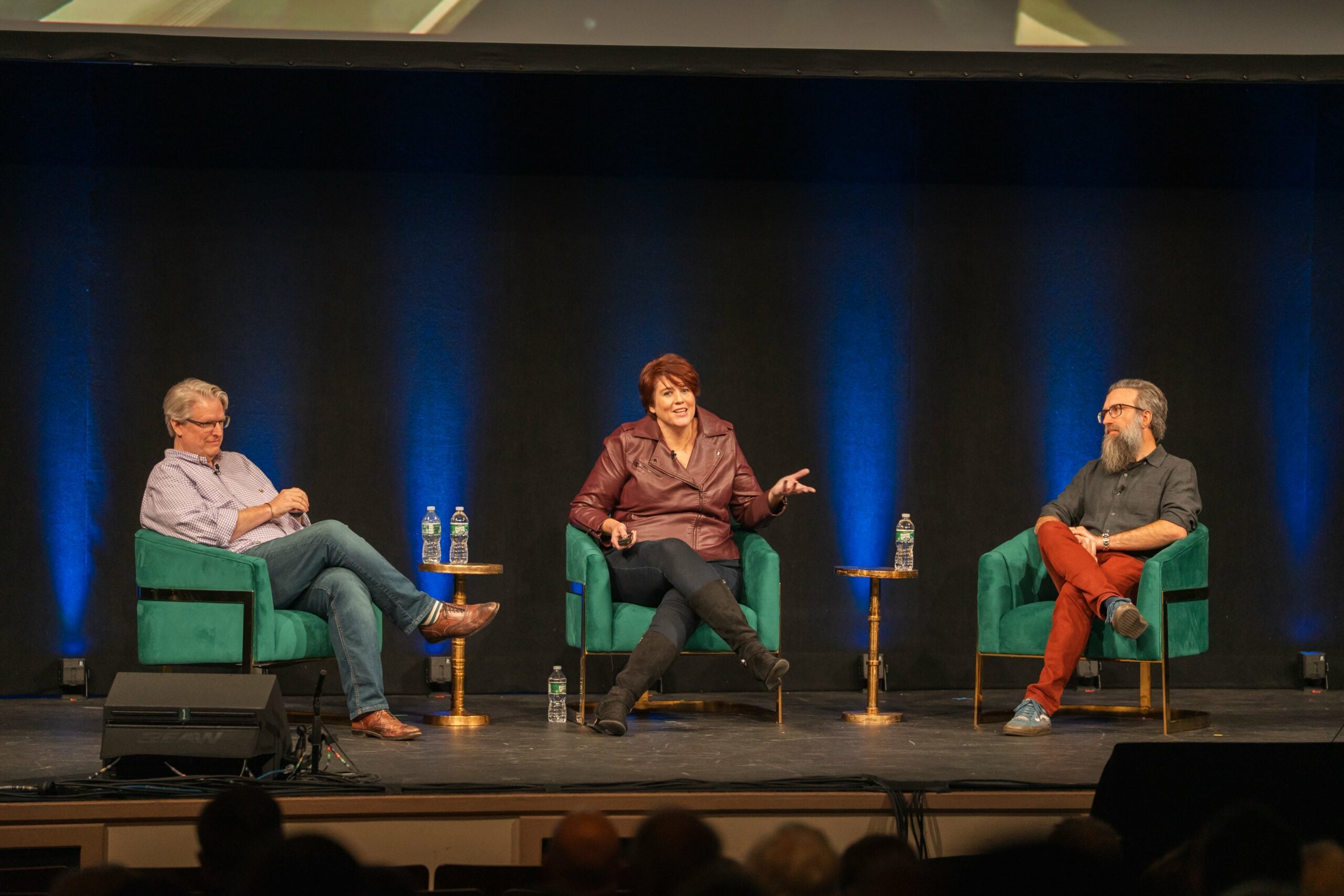
Heritage, Transformed? Cultural Institutions in the Time of AI
Artificial Intelligence (AI) challenges fundamental ideas of truth and authenticity, while at the same time offering promises of expanded efficiency, broader reach, and new ways to engage. What does the widespread adoption of AI mean for the future of cultural institutions? Leaders in the field examine questions surrounding authenticity, access, engagement, representation, and sustainability in a time of rapid technological transformation.
Special Feature:
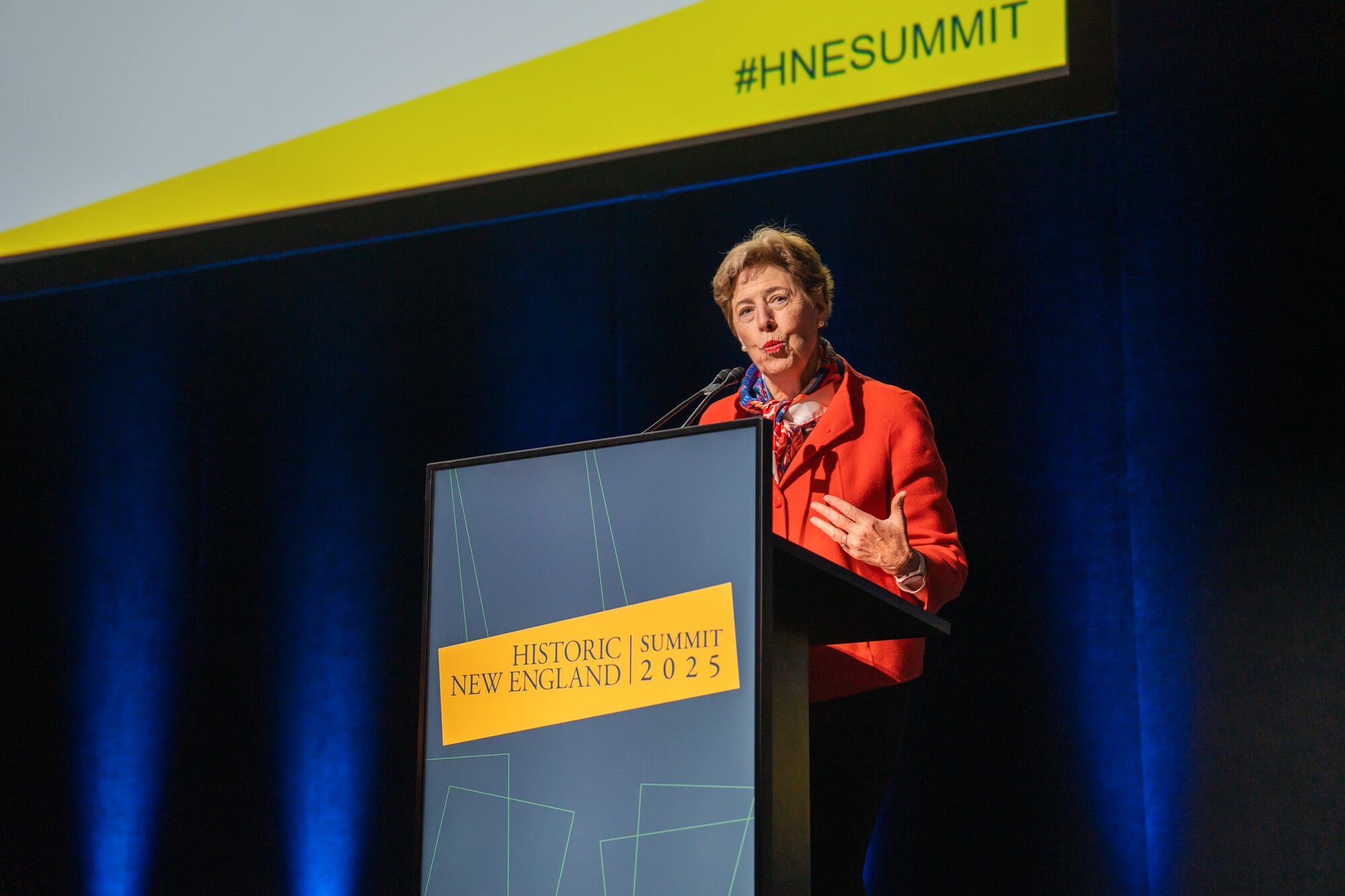
Robert Waldron
Dean Serrentino
The “Invisible-ists”
Looking beyond the celebrated individuals most often credited, countless other visionaries and makers enable the creation of significant buildings and settings. Explore these remarkable contributors, and the power of preservation to reveal “citizen-architects”—teams and individuals whose passion, expertise, and determination created some of our most valued landmarks and landscapes.

Stopping to Look: The Power of Historical Markers to Inspire Human Connection
Physical markers offer powerful opportunities to reconnect with history. The staff of Stopping Stones, a national public art and education initiative committed to commemorating forgotten lives at sites of enslavement, work, and worship, offer their perspective on the power these markers restore the humanity of Americans enslaved in the past, and foster racial healing today.
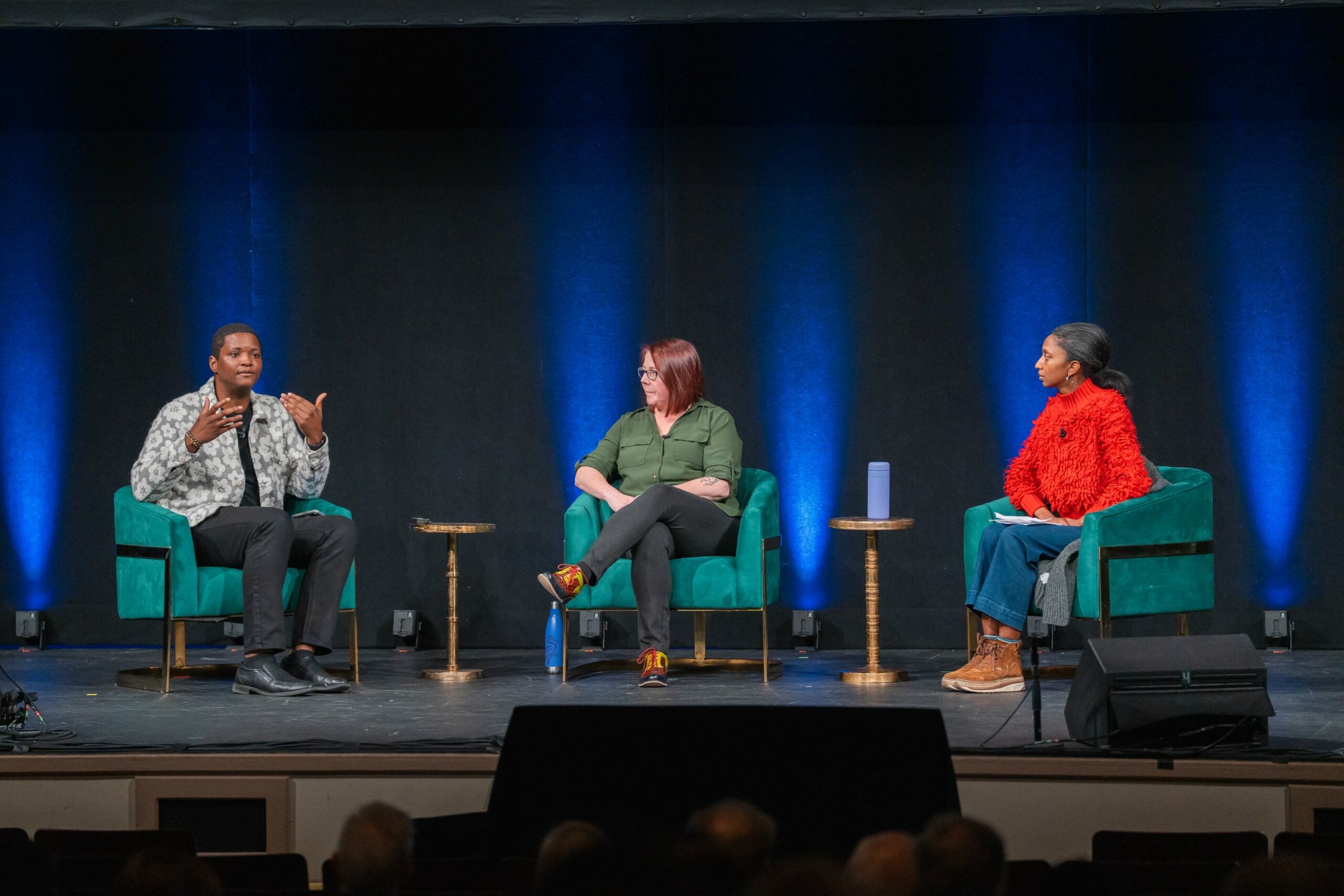
Somebody Should Do Something: Empowering Action at the Local Level
Local action is a necessary part of protecting our collective future, but talking about the environmental, economic, and social challenges that face our communities, which often intersect, can feel fraught with difficulties. How do we overcome these difficulties to engage our communities in conversations, and how to we move from talking to taking action?

Arts Are for Every Body
How can performance arts sustain vibrant, healthy, and equitable communities by telling inclusive stories and serving as inclusive spaces? Hear from speakers at the intersection of dance, social justice, and wellbeing, who are addressing these issues and building community.
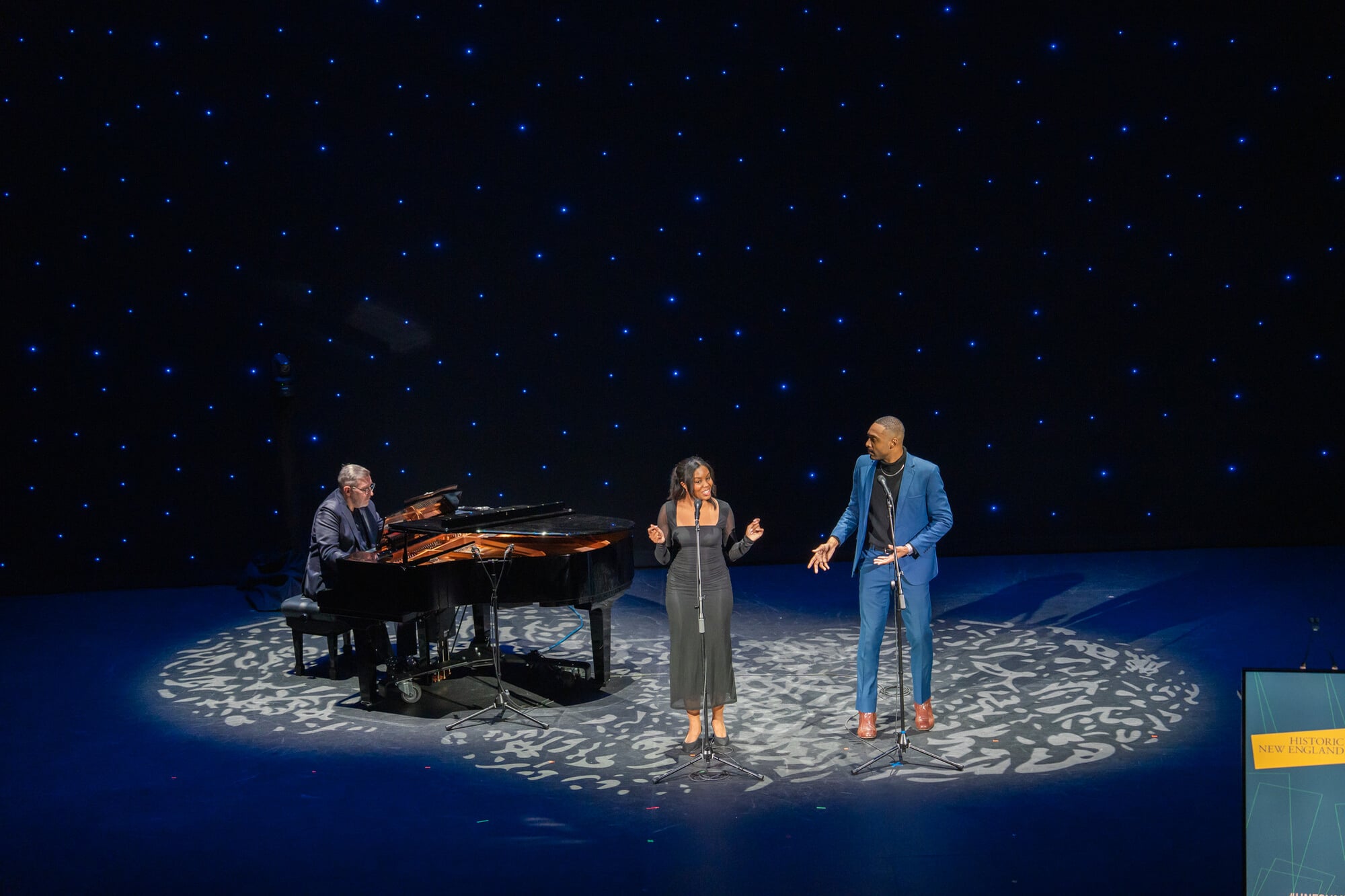
Performance by the Yale School of Music
Our time at the Shubert Theatre would be incomplete without music. Join us for a lively showcase of standards from the Great American Songbook, evoking the Theatre’s storied history as performed by musicians from the Yale School of Music.
Day 2, Friday, November 14
Finding Common Ground: Urban Planning, Zoning Reform, and the Future of Preservation
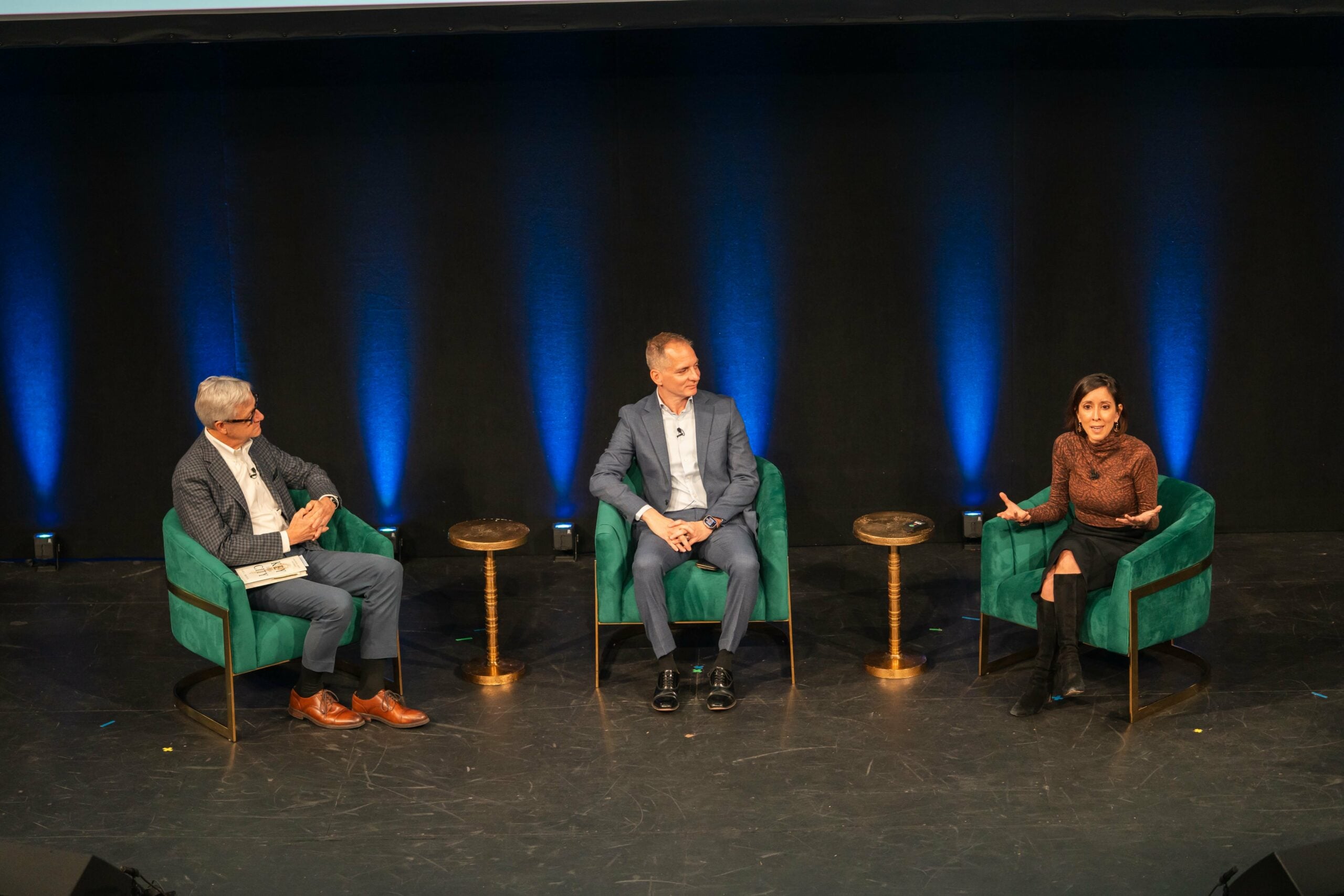
As zoning reform and housing policy debates intensify, preservation finds itself at the center of questions about equity, livability, and local agency. A conversation among national leaders explores whether regulatory decisions about the built environment signal a broader shift in preservation’s role, and what it means to adapt preservation tools for a future shaped by transparency, flexibility, and public trust.
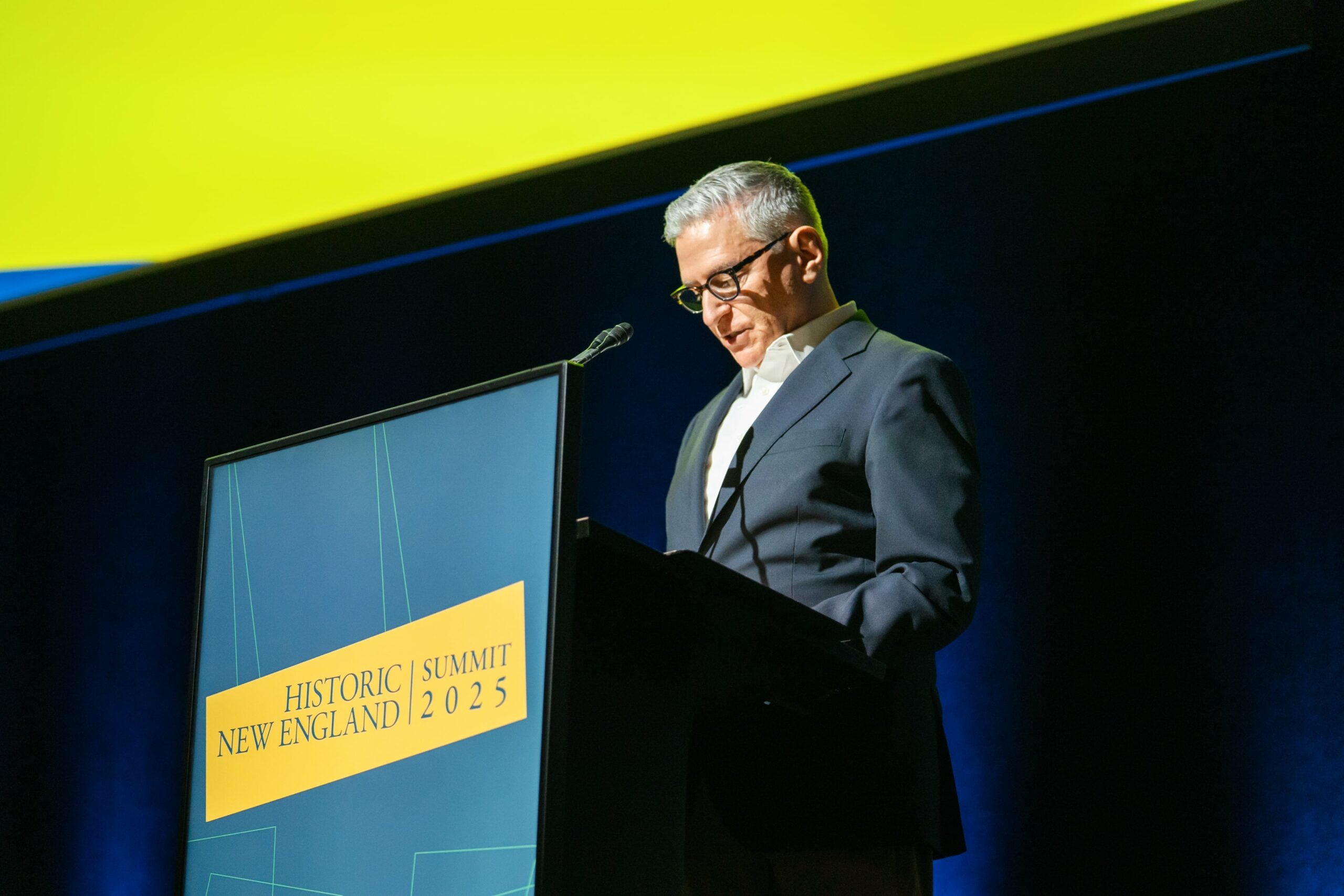
Special Feature:
Jane Montanaro
Marquee Conversation:
Thompson Mayes
Sara Bronin
Adrian Scott Fine
The Civic Center: Spaces for Engagement, Connection, and Dialogue
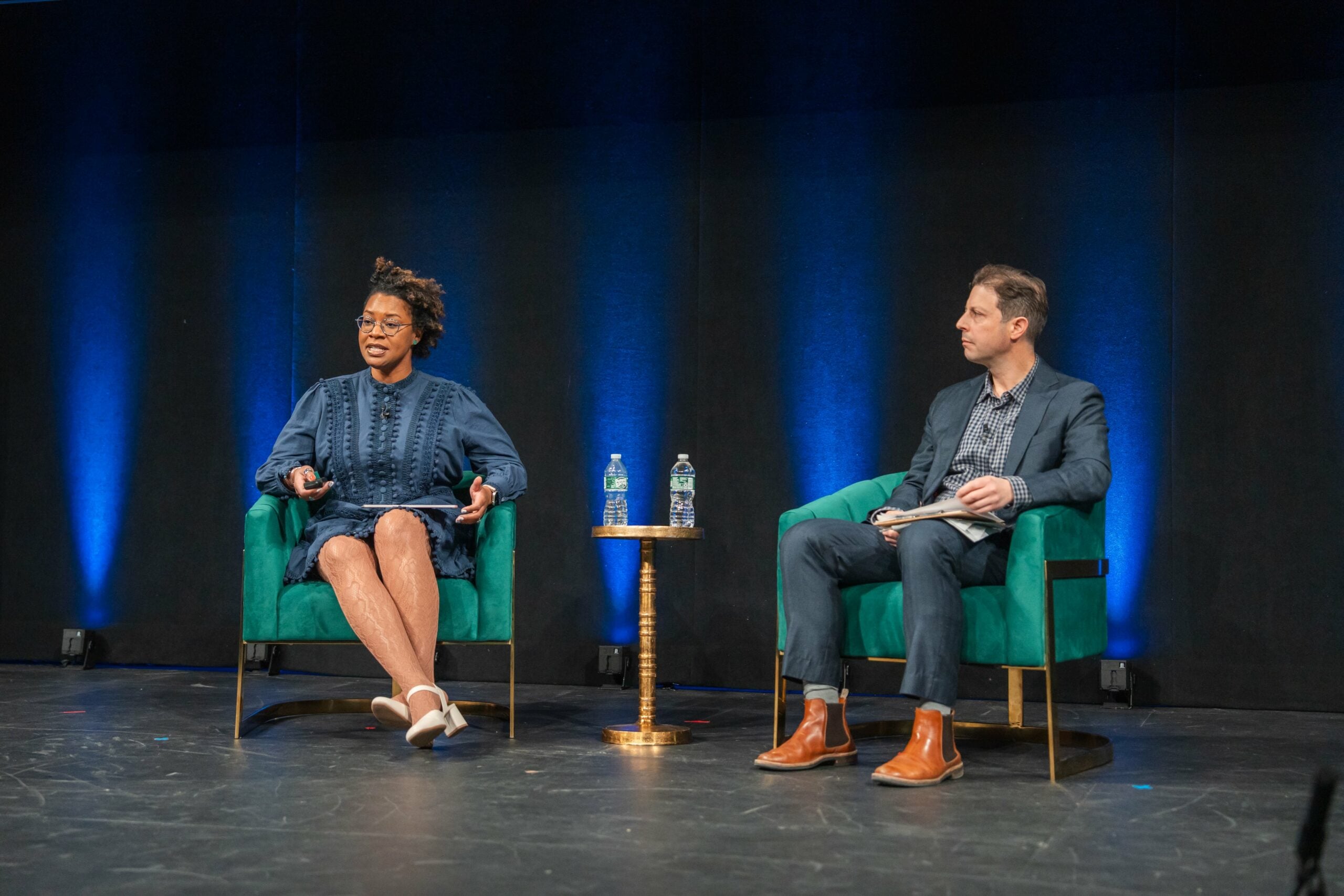
How have New England’s cities evolved as places of shared civic purpose, and how are community values and obligations are expressed through its architecture and public realm?

The Haverhill Center
In 2026, the expansive ground floor of Historic New England’s historic, turn-of-the-century shoe factory in Haverhill, Massachusetts, will open to the public as an exciting new Welcome and Exhibition Center, the first stage of a major, multi-year cultural initiative to create the Haverhill Center. Join us for a preview of the imaginative opening exhibition, Shoe Stories: Past, Present, Future, which draws inspiration from the region’s incredible heritage of shoe manufacturing and design, and features objects and archival documents from Historic New England’s collection along with works from contemporary designers. Hear from members of the team and catch a glimpse into the creation of this world-class destination-in-the-making.
Launching a Welcome and Exhibition Center
Vin Cipolla
Carissa Demore
Shoe Stories: Past, Present, Future
Michelle Finamore, PhD
Dr. Nora Ellen Carleson
Lorna Condon
Keynote Fireside Conversation
Stuart Weitzman
Michelle Finamore, PhD
Awards Ceremony
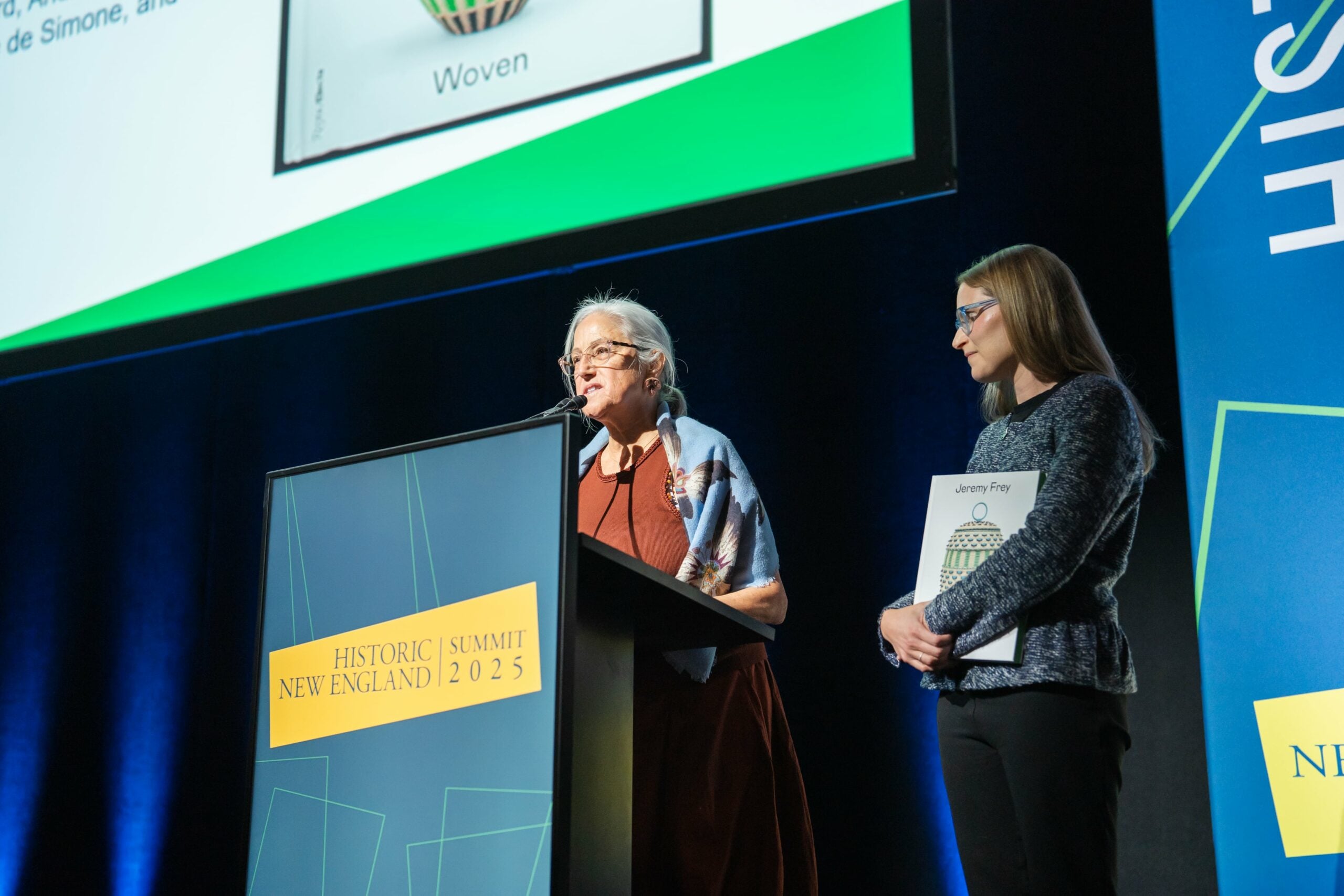
Join us in recognizing remarkable contributions to the preservation of New England history through the 2025 Historic New England Book Prize and the Prize for Collecting Works on Paper. The Historic New England Book Prize recognizes outstanding literary achievements that advance understanding of life in New England from the past to today by examining its architecture, landscape, and material culture. The Prize for Collecting Works on Paper honors those who have assembled or helped save significant collections related to New England and its diverse communities or to the nation as a whole.
Shifting Shores: When to Stay and When to Retreat
As climate driven flooding becomes increasingly common in New England and beyond, how can shoreline and riverside communities navigate complex decisions surrounding their future? Leading experts in the field consider how to approach responses such as managed retreat, while considering equity, historic resources, and deeply rooted cultural identities.
Susanne C. Moser, Ph.D.
Chris Campany
Shannon Hulst
Kristin Uiterwyk